How to Calculate How Many Desiccant Strips You Need for a 40HQ Container?
When shipping goods across oceans, cargo damage caused by "container rain" (container sweat) is one of the most expensive headaches for supply chain managers. Fluctuating temperatures during maritime transit cause moisture to evaporate and condense on the container ceiling, eventually raining down and destroying your valuable cargo, leading to mold, warped packaging, or rusted metal parts.
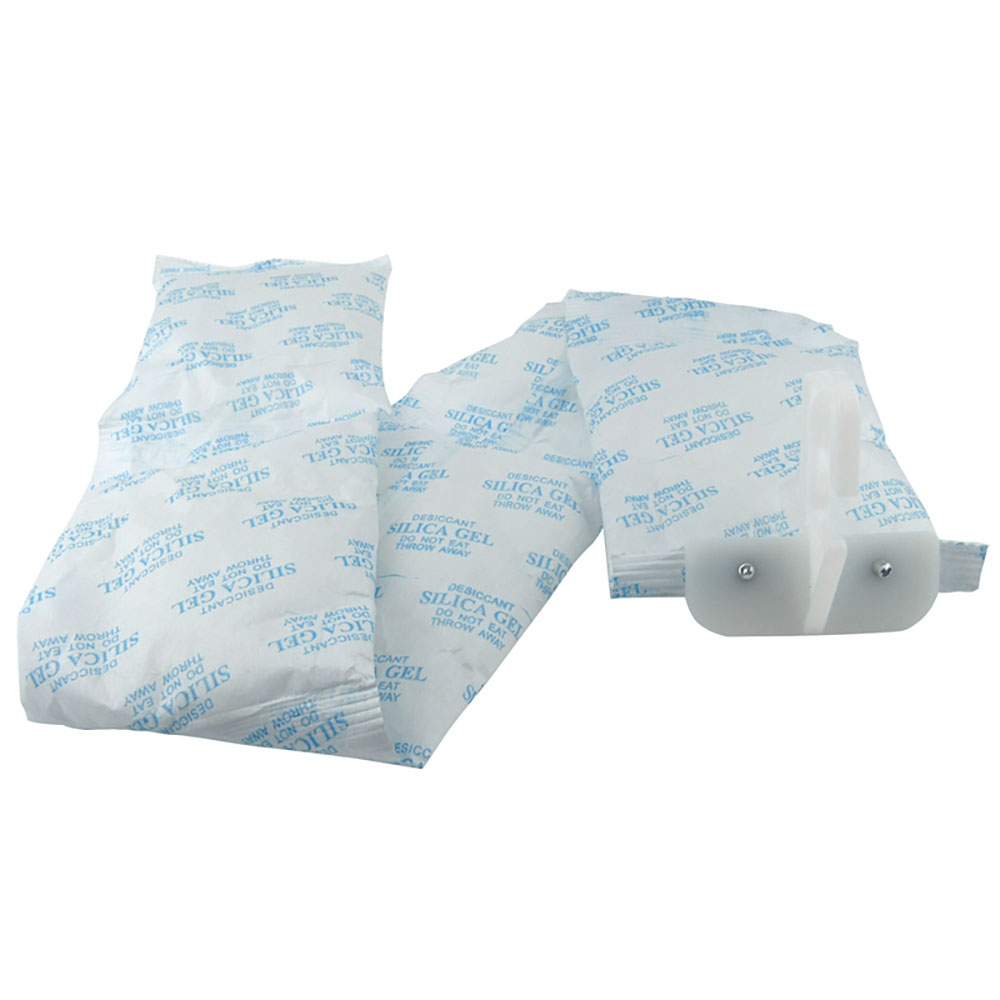
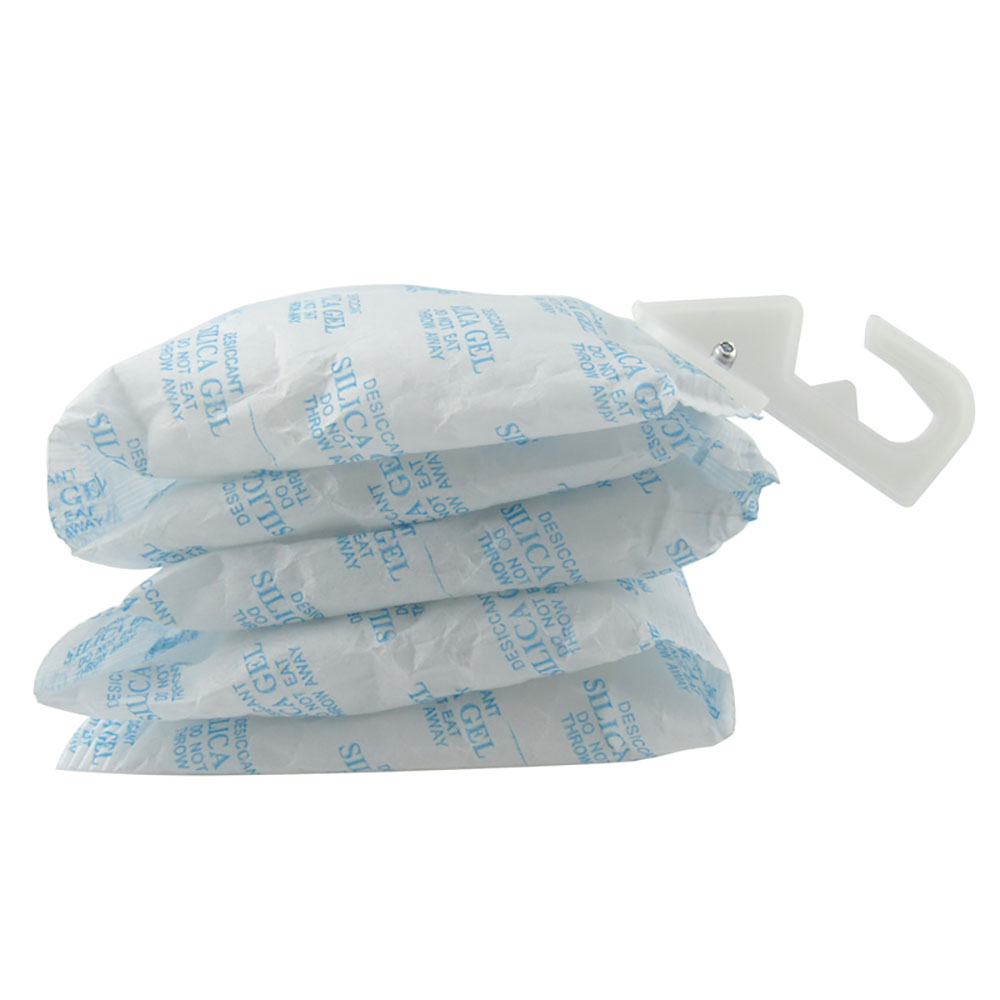
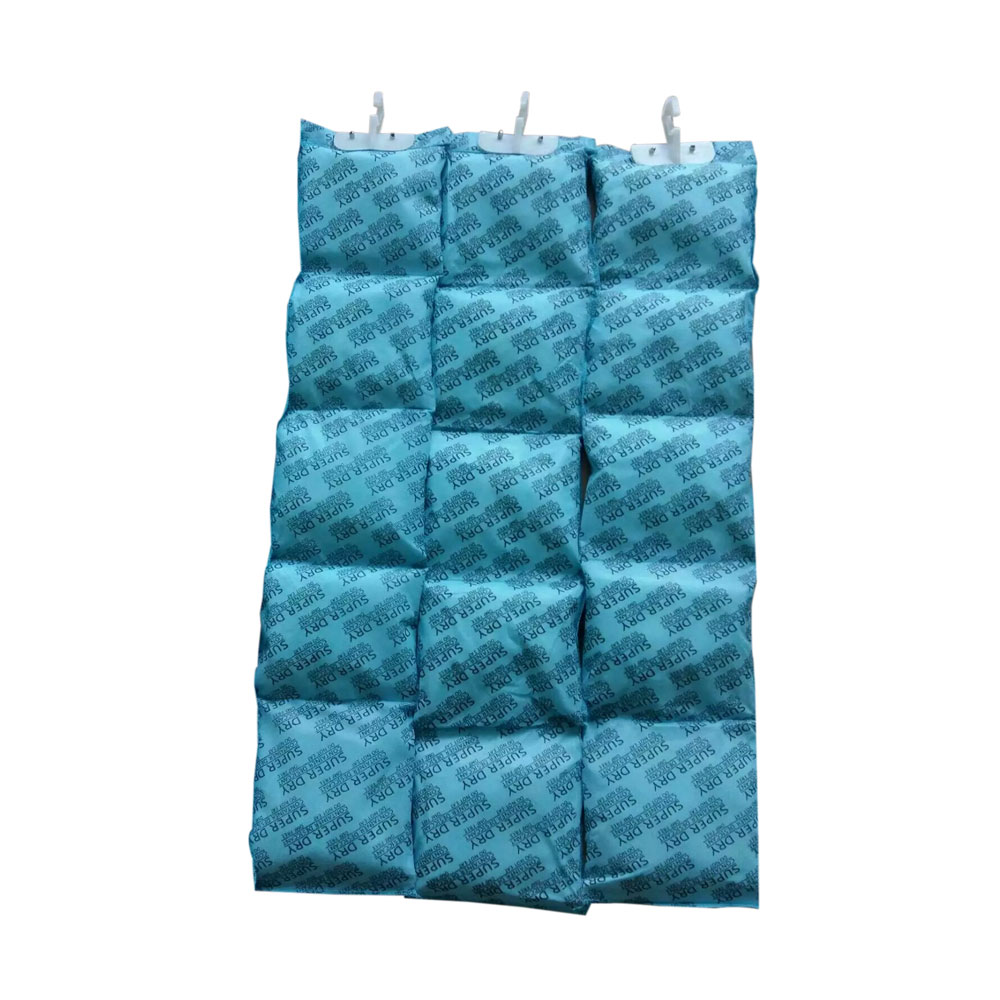
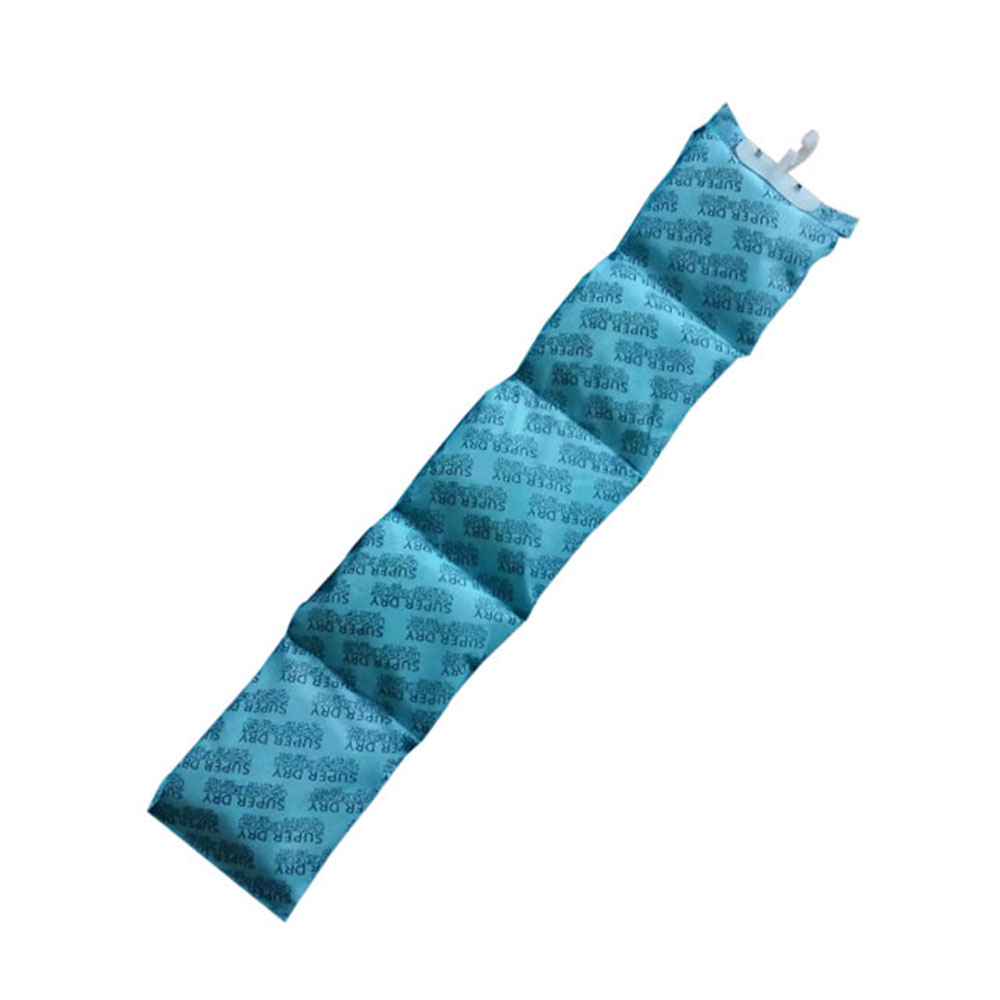
To prevent this, using high-absorption calcium chloride container desiccant strips is the industry standard. But one of the most frequent questions we receive from logistics pros is: "Exactly how many desiccant strips do I need for a 40HQ (High Cube) container?"
Putting in too few strips risks massive cargo moisture damage, while overpacking them wastes your shipping budget. In this guide, we will break down the exact mathematical formula and factors to help you calculate the perfect quantity for your next shipment.
The Baseline Formula for a Standard 40HQ Container
For a standard, dry 40HQ container carrying generic, non-moisture-sensitive goods under normal seasonal conditions, the general baseline recommendation is:
Using 1.0 kg Desiccant Strips: You typically need 8 to 12 strips.
Using 1.5 kg or 2.0 kg High-Capacity Strips: You typically need 4 to 6 strips.
However, shipping is rarely "one-size-fits-all." To find the precise number for your specific cargo, you need to look at the three critical risk variables below.
3 Critical Factors That Change Your Calculation
1. The Moisture Content of Your Cargo & Packaging (The #1 Culprit)
The total amount of water trapped inside your container depends heavily on your goods and packaging material.
Low-Risk Cargo: Electronics, steel coils, plastic pellets, or glassware packed in plastic crates. (Stick to the lower end: 6-8 strips of 1.0kg).
High-Risk / Hygroscopic Cargo: Agricultural products (coffee beans, cocoa, spices, nuts), timber, textiles, and garments. Furthermore, if your goods are packed in corrugated cardboard boxes or stacked on wooden pallets, these packagings hold massive amounts of ambient humidity. (Increase to 12-16 strips of 1.0kg).
2. The Voyage Route, Duration, and Season
Are you shipping during the monsoon season? Is your cargo crossing the Equator?
Routes passing through tropical zones (e.g., Southeast Asia to Europe or North America) experience extreme temperature swings—sometimes dropping within a few hours at night. This drastic change accelerates "container sweat." If your voyage exceeds 30 days during a rainy or humid season, you must scale up your desiccant volume by 20% to 30%.
3. Container Condition and Floor Moisture
The wooden floorboards of a standard shipping container can hold up to 100 liters of water inside their pores. If the container was washed right before stuffing, or if it has bad door seals, outside humid air will continuously leak inside.
Step-by-Step Risk Assessment Matrix
To make it easy for your logistics team, use this quick multiplier checklist based on a 1.0 kg high-absorption Calcium Chloride (with starch gel) strip:
Cargo & Packaging Type
Low Humidity Route / Season
High Humidity Route / Season
Dry / Non-Hygroscopic (Metals, Plastics, Machinery)
6 - 8 Strips
8 - 10 Strips
Medium Risk (Cardboard boxes, standard wooden pallets)
8 - 10 Strips
10 - 12 Strips
High Risk (Agricultural goods, wood crafts, garments)
12 - 14 Strips
14 - 16+ Strips
Where and How to Correctly Hang Your Desiccant Strips
Calculating the right amount is only half the battle; proper installation ensures they actually work.
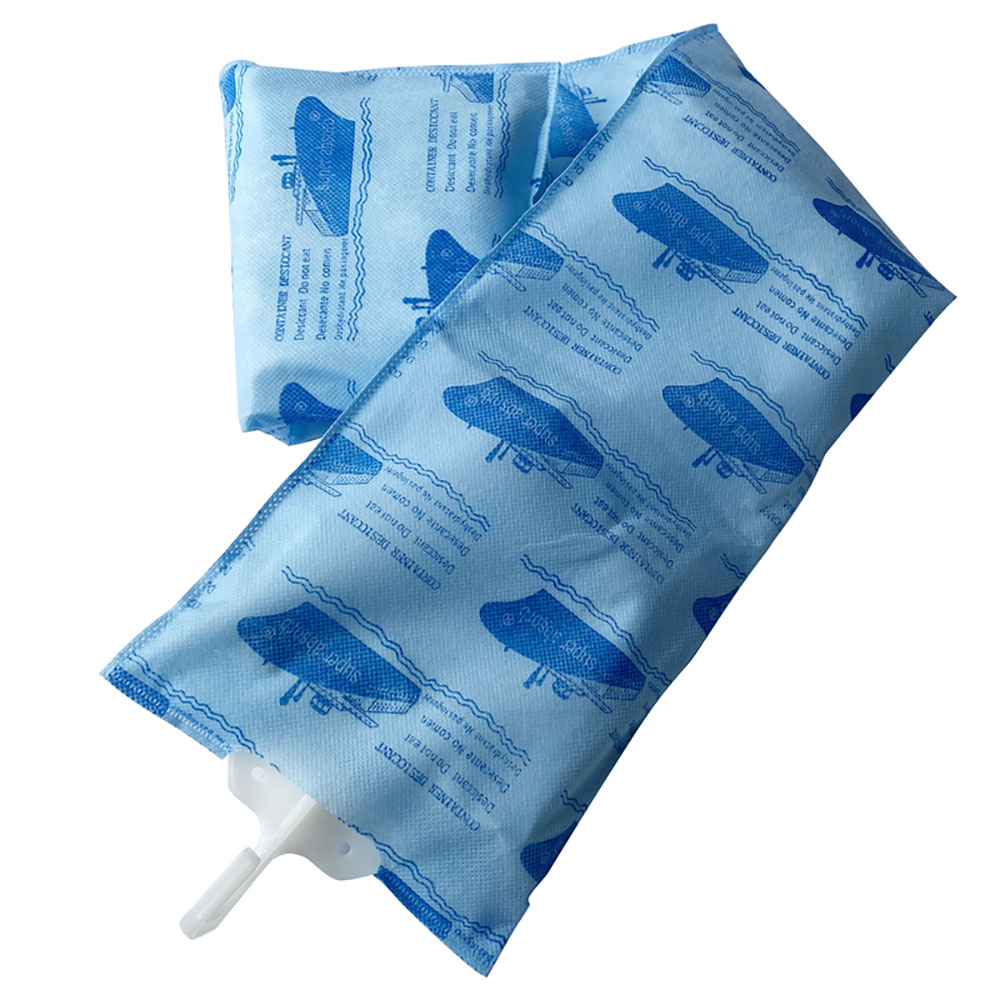
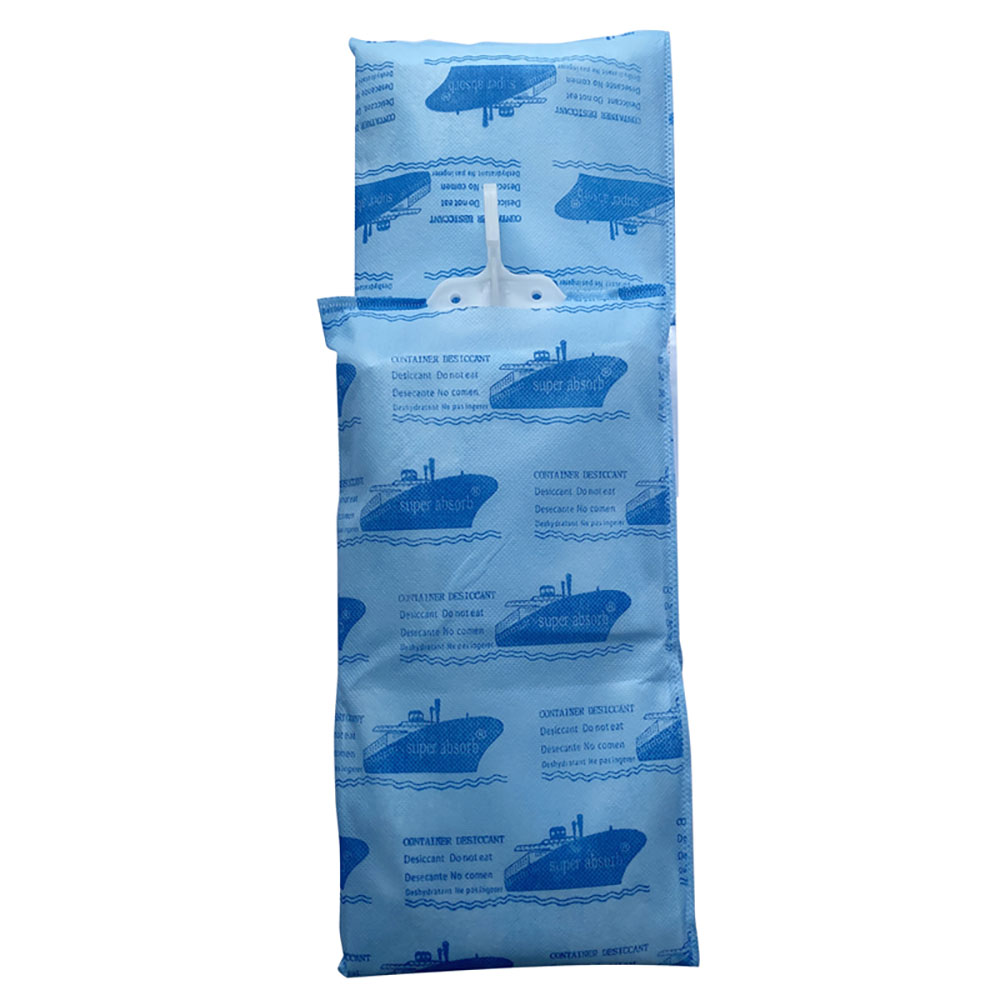
Hang from the Lashing Rings: Our premium container desiccant strips come with heavy-duty integrated hooks. Hang them directly from the lashing rings located near the ceiling of the container wall.
Do Not Block Airflow: Ensure the breathable fabric side of the strip faces inward toward the cargo space, not pressed flat against the steel wall.
Leave Clearance: Do not jam cargo tightly against the strips. They need air circulation to suck the moisture out of the environment effectively.
Seal the Ventilation Holes: If your container has passive ventilation holes on the sides, tape them over from the inside before hanging the desiccants. Otherwise, your strips will try to dehumidify the entire ocean air outside!
Protect Your Bottom Line with DryCargo Solutions
Don't guess with your cargo security. A single insurance claim due to moldy packaging can wipe out your profit margins for the entire quarter.
At www.yuchengdesiccant.com , we manufacture industrial-grade, eco-friendly Calcium Chloride Container Desiccant Strips that absorb up to 300% of their own weight in moisture, turning into a leak-proof gel that guarantees complete safety for your goods.
👉 Unsure about your specific shipping route?
Email: emilyxu@chenridry.com
TEL&whatsapp:+86 13686617275
Contact our supply chain specialists today for a custom moisture-protection blueprint.
👉 Want to test before you commit?
Email: emilyxu@chenridry.com
TEL&whatsapp:+86 13686617275
Click here to request a FREE Sample Kit for your upcoming container trial run!
Email: emilyxu@chenridry.com
TEL&whatsapp:+86 13686617275