The Ultimate B2B Buyer’s Guide to Bulk Silica Gel: Why Industrial Supply Chains Need Direct Factory Sourcing in 2026
In global manufacturing, ocean logistics, and enterprise warehousing, moisture is an invisible profit drain. Trapped humidity inside shipping containers, long-term storage facilities, and product packaging can trigger disastrous supply chain failures—from rusted industrial machinery parts and molded textiles to corrupted micro-electronics and ruined consumer goods.
To mitigate these environmental risks, procurement managers and supply chain directors rely heavily on passive moisture control. However, buying small retail desiccant packets from local intermediaries is no longer a viable financial or operational strategy for enterprise-level operations.
As international shipping volumes grow and margin pressures intensify in 2026, transitioning to high-volume procurement of bulk silica gel directly from established primary producers has become an essential strategy. This comprehensive guide explores why industrial operations require enterprise-level moisture absorption strategies and outlines the vital criteria for evaluating global desiccant manufacturers.
## Part 1: Why Industrial and Warehousing Operations Require Bulk Silica Gel Solutions
For enterprise buyers, moisture protection is not just an afterthought; it is a critical component of risk management. Sourcing desiccant bulk supplies offers distinct strategic and financial advantages over fragmented, localized purchasing:
1. Eliminating Cumulative Middleman Markups
When purchasing moisture absorbers through regional distributors or trading companies, buyers pay cumulative price markups—often ranging from 30% to 80%—to cover third-party warehousing, import margins, and handling fees. Direct factory procurement unlocks true wholesale pricing, ensuring every dollar of your protective packaging budget goes directly toward active material performance.
2. Supply Chain Standardization & Consistency
Using disparate desiccant suppliers across different regional fulfillment centers introduces dangerous quality variations. Sourcing bulk silica gel from a single, high-capacity manufacturer guarantees uniform absorption performance, consistent sachet seal integrity, and standardized packaging specifications across your entire international logistics network.
3. Optimized Container Freight & Inventory Turnover
Consolidating your annual moisture control requirements into full container loads (FCL) or high-volume LCL shipments drastically reduces freight overhead per unit. Furthermore, maintaining a steady, strategic inventory of bulk desiccant packs prevents costly assembly line shutdowns during peak Q3/Q4 shipping seasons.
## Part 2: The Technical Superiority of Silica Gel in Industrial Environments
While various moisture-absorbing materials exist—such as bentonite clay, calcium oxide, and molecular sieves—silica gel remains the premier choice for general industrial, warehousing, and logistics applications:
-
High Adsorption Kinetics: Synthetic amorphous silicon dioxide features a vast internal network of microscopic pores, capable of adsorbing up to 35%–40% of its own weight in water vapor at high relative humidity (RH).
-
Physical and Chemical Stability: Silica gel is chemically inert, non-toxic, and odorless. It adsorbs moisture purely through physical surface forces without changing its physical state, dissolving into liquid, or leaking corrosive chemical residue.
-
Material Compatibility: Because it is completely non-corrosive, silica gel can be safely placed in direct contact with sensitive blued steel, bare metals, optical lenses, food-grade packaging, and delicate printed circuit boards (PCBs).
## Part 3: B2B Procurement Guide: Key Metrics to Evaluate Desiccant Manufacturers
Selecting the right partner among global desiccant manufacturers is critical to securing your product inventory and your bottom line. When auditing potential factory partners, procurement leads and quality control engineers should rigorously evaluate the following four core indicators:
1. Absorption Rate Validation & Quality Assurance
Never rely solely on product datasheets; request certified laboratory test reports for batch absorption capacity. A qualified manufacturer operates an in-house quality control laboratory to test raw material purity, pore size distribution, absorption kinetics under varying relative humidity levels (20%, 40%, and 80% RH), and tensile seal strength.
2. International Regulatory and Environmental Compliance
In 2026, international customs authorities enforce strict chemical and environmental regulations. Importing uncertified packaging materials can lead to severe customs holds, fines, or full container rejections. Ensure your supplier provides full certification for:
-
ISO 9001:2015: Demonstrating standardized manufacturing quality management systems.
-
REACH & RoHS Compliance: Guaranteeing the material is free from restricted heavy metals and hazardous industrial chemicals.
-
100% DMF-Free Certification: Ensuring products are entirely free of Dimethyl Fumarate, protecting consumer goods from dangerous chemical skin-sensitizers.
3. Customization & OEM/ODM Capabilities
Industrial applications rarely fit a one-size-fits-all model. An enterprise-grade supplier must offer comprehensive custom manufacturing flexibility, including:
-
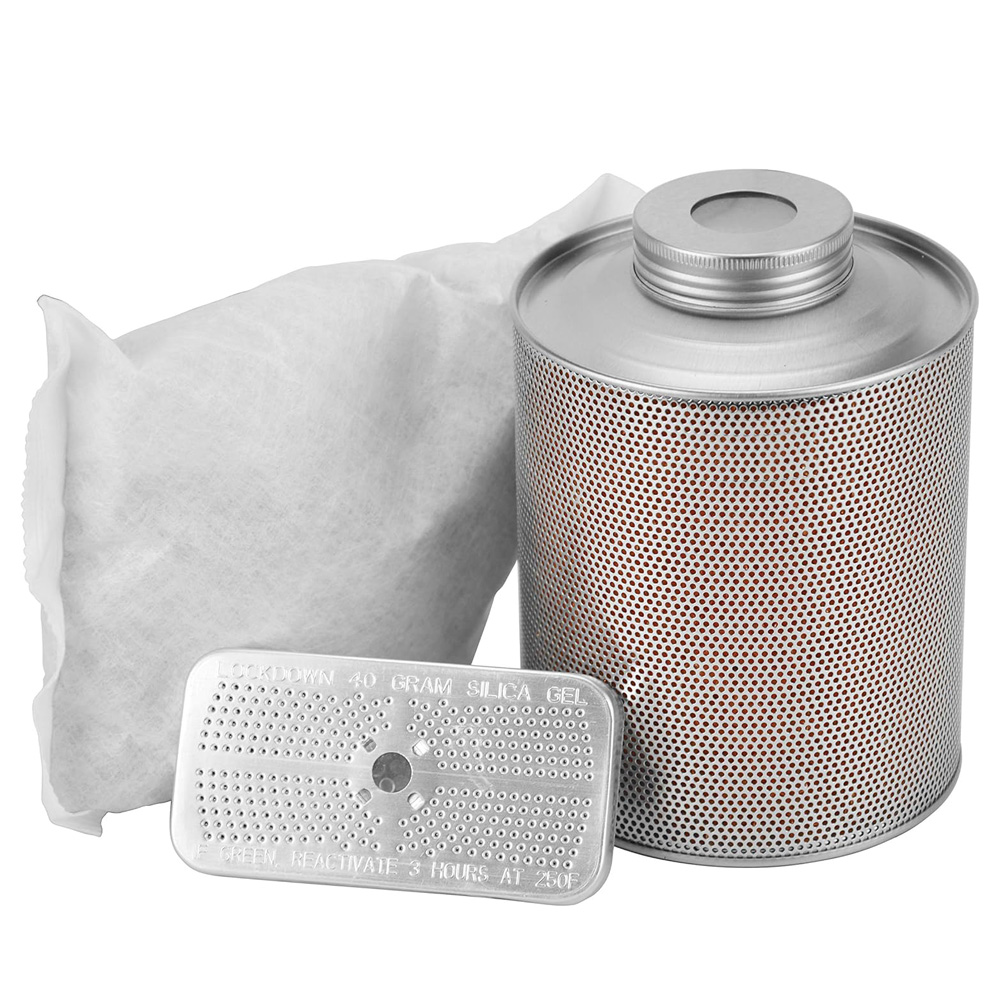
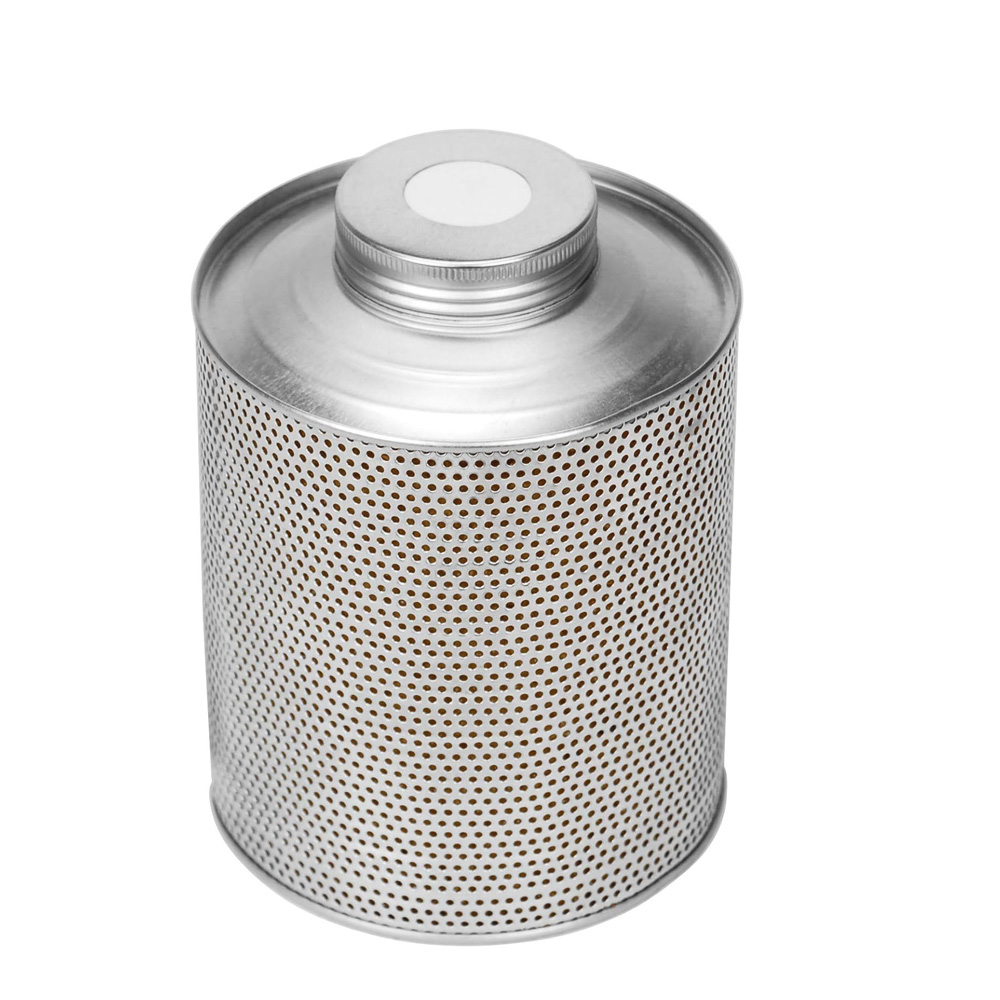
Varied Granule Sizes & Forms: From standard non-indicating white silica gel to eco-friendly, cobalt-free orange-to-green indicating beads.
-
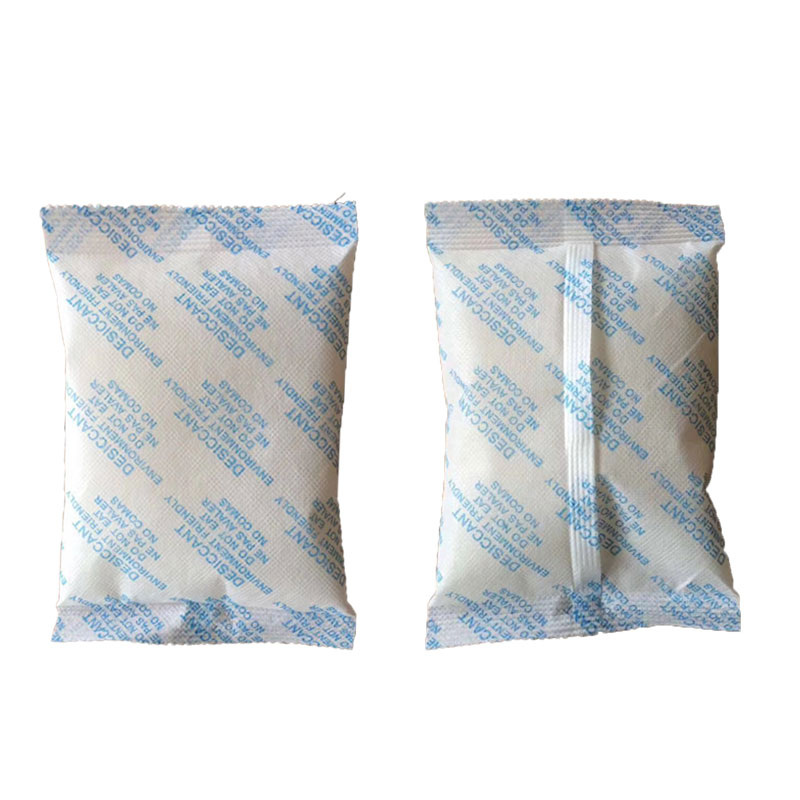
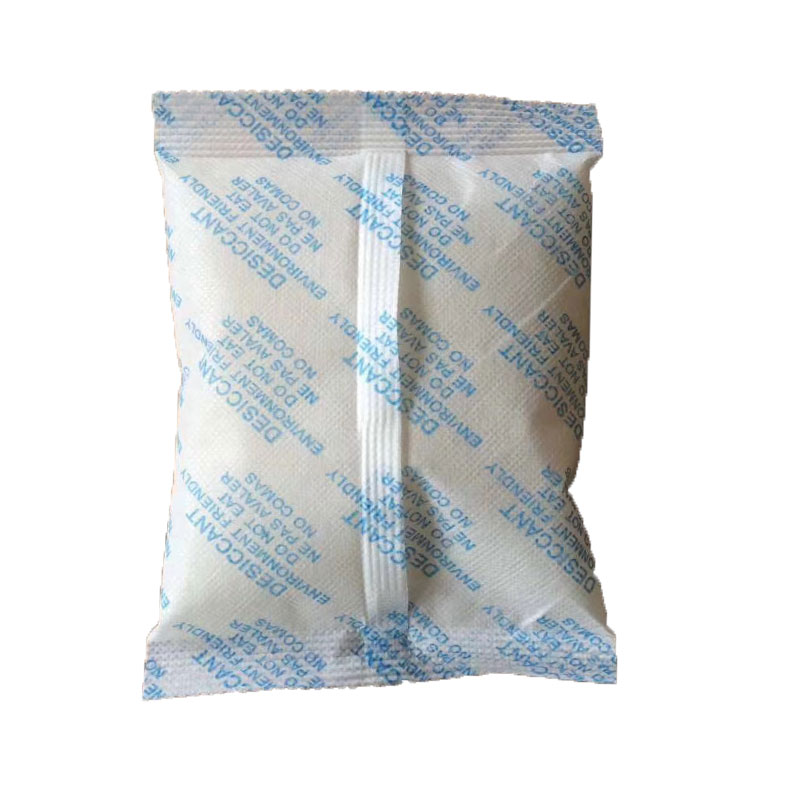
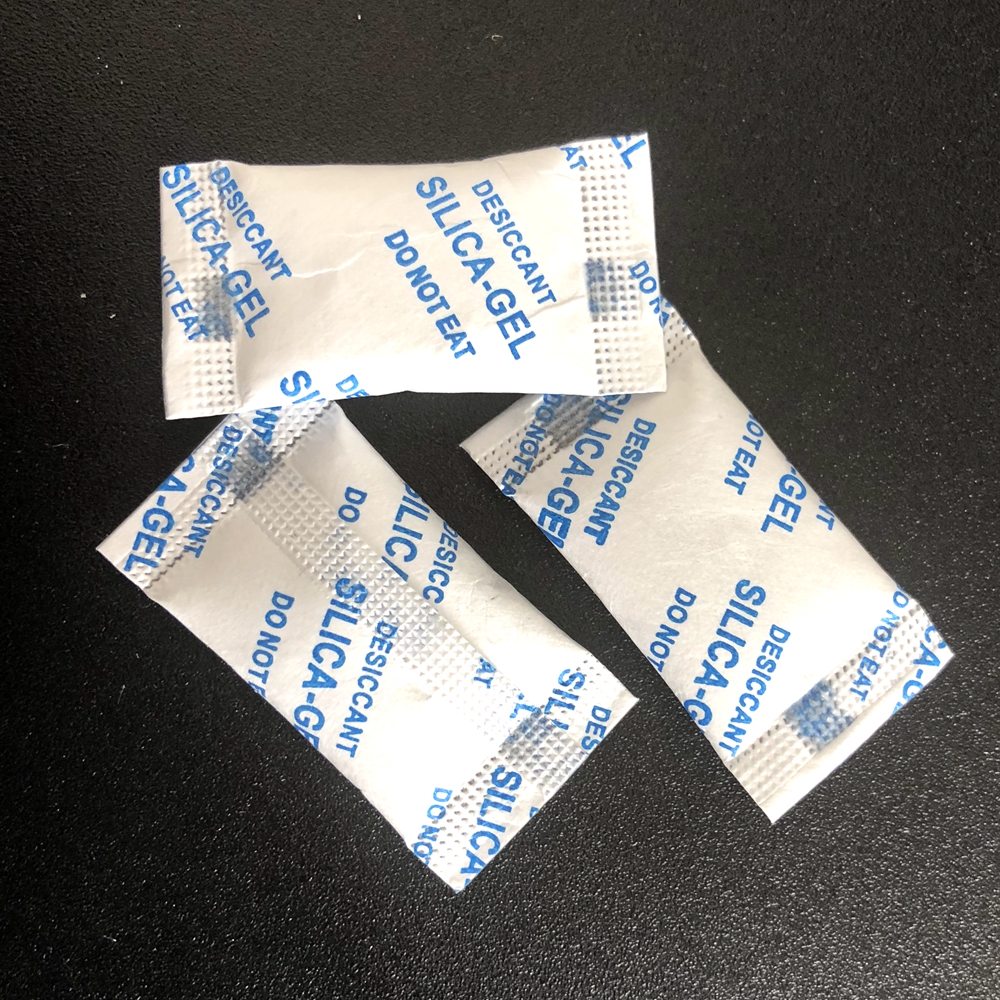
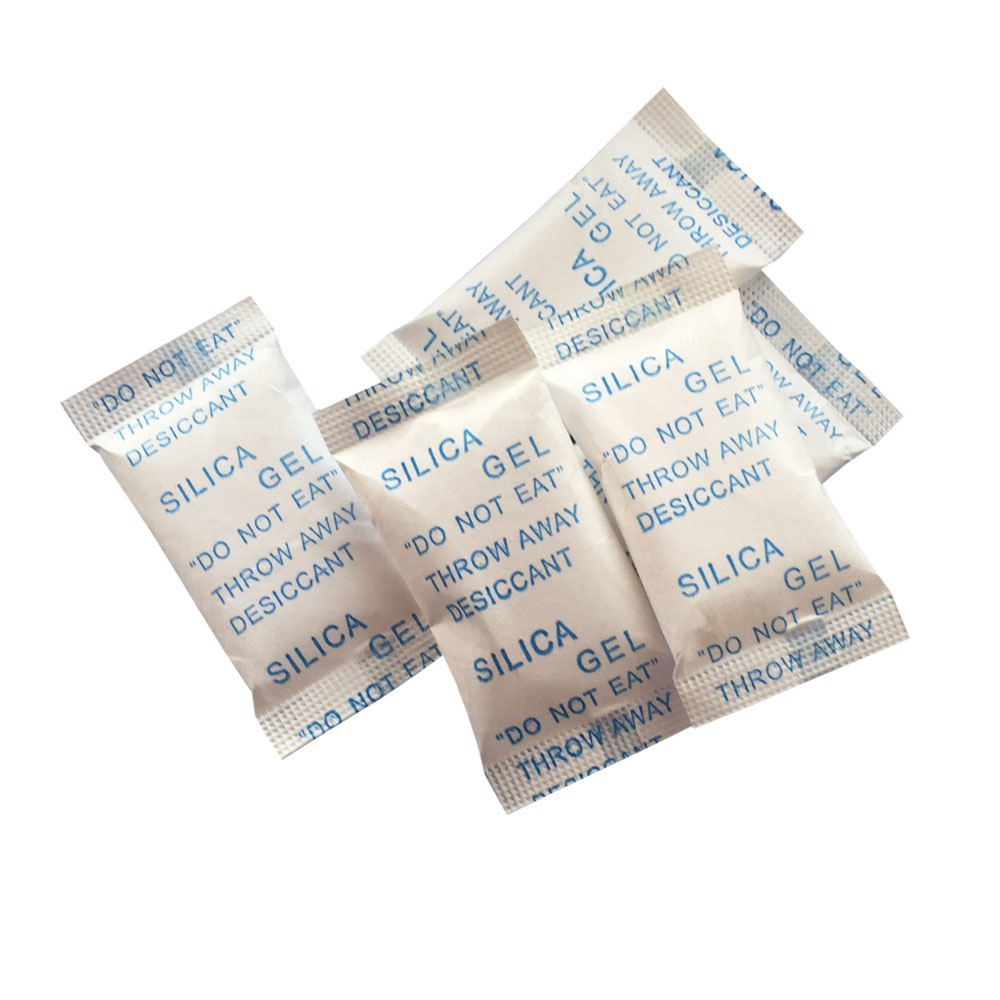
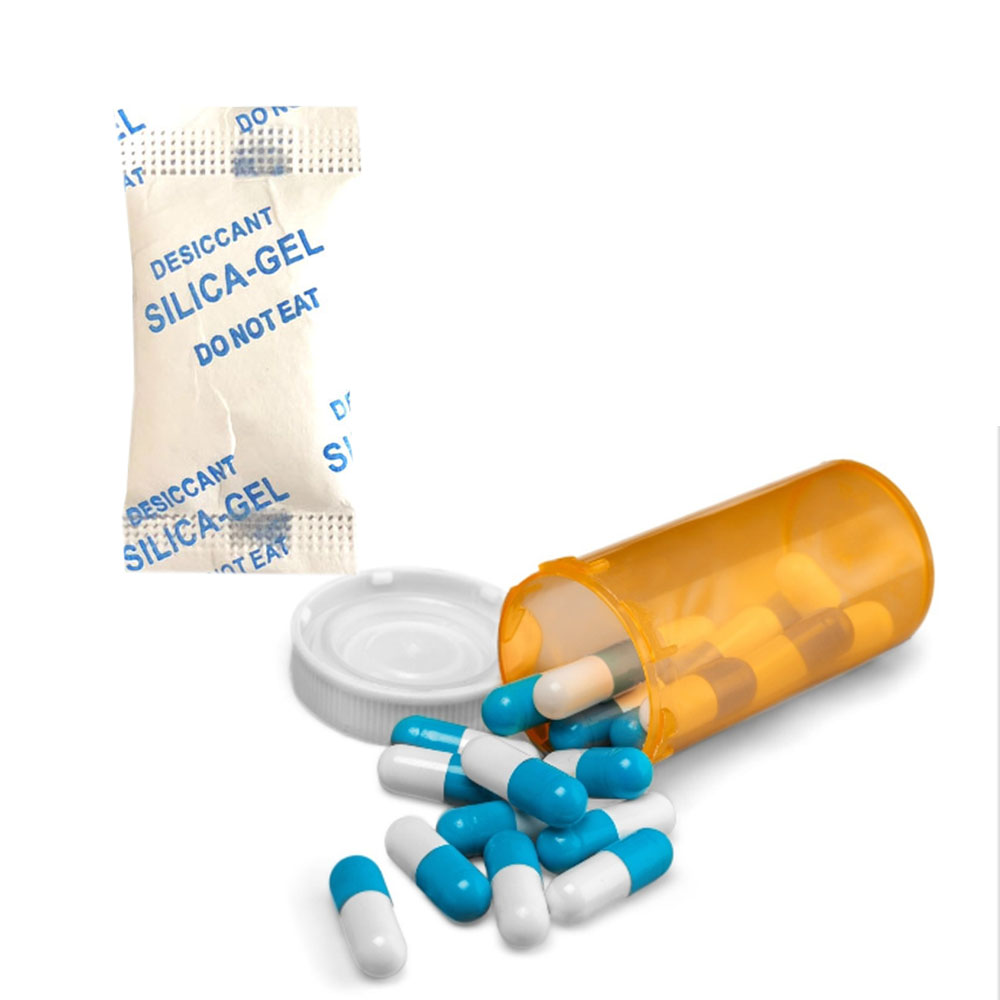
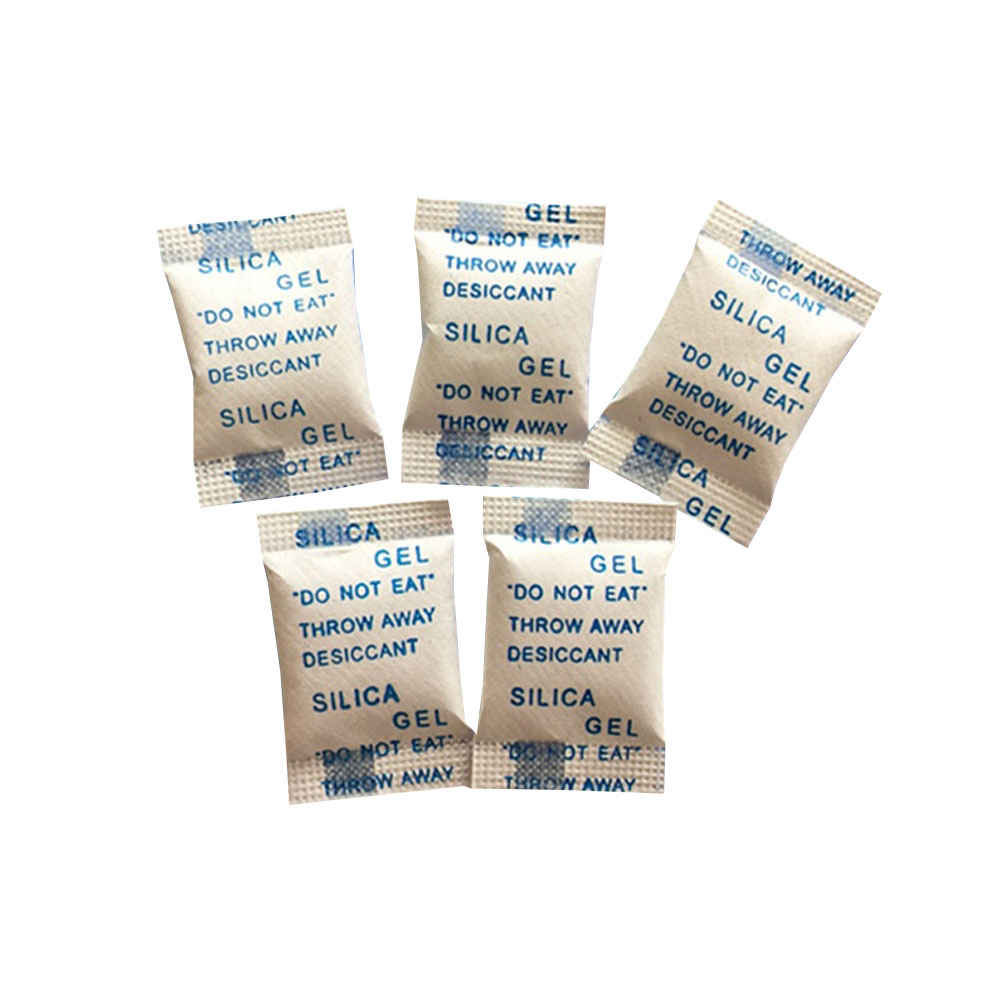
Scalable Unit Weights: Ranging from micro 0.5-gram pouches for pharmaceutical vials to 1000-gram heavy-duty hanging bags for shipping containers.
-
Substrate Membrane Options: Providing specialized breathable envelopes like DuPont™ Tyvek®, tear-resistant non-woven fabrics, or plastic-free Kraft paper.
-
Custom Printing: Displaying your corporate branding, warning labels, or usage instructions directly on the desiccant pouch.
4. Production Capacity and Lead-Time Reliability
A competitive price means nothing if delivery dates are missed. Top-tier manufacturers operate multi-line automated packaging systems capable of producing millions of pouches daily. Evaluate the factory's total square footage, monthly tonnage capacity, and raw material reserve policy to ensure they can accommodate sudden volume spikes during your peak manufacturing cycles.
## Part 4: Conclusion & Direct Factory Partnership
Mitigating moisture damage across global supply chains requires an intentional, enterprise-level strategy. Transitioning to desiccant bulk purchasing directly from a verified Chinese source manufacturer provides the ultimate balance of factory-gate cost efficiency, scalable production capacity, and strict international compliance.
As an established direct-to-factory manufacturer, Dongguan Yucheng Household Products Co., Ltd. specializes in high-efficiency bulk silica gel solutions engineered specifically for international defense, aerospace, electronics, automotive, and logistics sectors. By eliminating intermediary markups, maintaining automated quality control, and offering complete OEM/ODM customization, we help global brands keep their products bone-dry and their profit margins secure.
💡 Take the Next Step in Supply Chain Protection
Is your current moisture protection strategy leaving your cargo vulnerable or overinflating your packaging budget? Partner with a trusted direct manufacturer to optimize your bill of materials today.
👉 Ready to lower your procurement costs in 2026? Click the WhatsApp button on the right for an instant technical consultation, or complete our Enquiry Form below to request FREE PRODUCT SAMPLES, technical data sheets, and a custom factory-direct wholesale quote!