What is MIL-D-3464 Type II? The B2B Buyer’s Guide to Military-Grade Desiccants
In heavy industry, precision manufacturing, and military logistics, moisture is not just an inconvenience.Whether managing the storage of critical avionics, optical instruments, or heavy machinery components, preventing rust, corrosion, and mold is paramount. For procurement professionals and engineers sourcing specialized protective packaging, understanding the military specification standard MIL-D-3464 Type II is vital.
As a chief engineer who has overseen industrial supply chains for decades, I can tell you that not all desiccants are created equal. When a project demands military-grade compliance, standard commercial solutions simply fall short. Let us dissect what this standard actually means and how to source it effectively.
## Demystifying the MIL-D-3464 Type II Standard
The MIL-D-3464E specification outlines the stringent requirements for military-grade, bagged active desiccants used in packaging. Within this standard, the classification is split into distinct types based on the physical properties of the desiccant pouch.
-
Type I (General Purpose): Designed for standard packaging where dust generation is not a critical failure factor.
-
Type II (Non-Dusting): This is the gold standard for high-precision environments. Type II stipulates that the desiccant envelope must be completely non-dusting. Under rigorous friction and handling, it cannot release particulate matter or microscopic dust that could contaminate sensitive equipment.
If you are protecting micro-electronics, laser optics, or delicate mechanical relays, utilizing anything other than a certified mil d 3464 type ii pouch puts your entire inventory at risk of electrical shorts or mechanical abrasion caused by desiccant dust leakage.
## Technical Specifications: The "Unit" System
Unlike commercial products sold by weight (grams or ounces), military-grade moisture absorbing pouches are measured in Units.
According to military specifications, one "Unit" of desiccant is defined as the amount of active material that will absorb:
-
At least 3.0 grams of moisture at 20% Relative Humidity (RH).
-
At least 6.0 grams of moisture at 40% Relative Humidity (RH).
This testing is conducted at a controlled temperature of 25°C. When calculating your bill of materials (BOM), you must calculate the total volume of your enclosed packaging barrier and match it to the required number of Units, ensuring the packaging material itself complies with MIL-SPEC standards like MIL-STD-2073.
## Material Excellence and B2B Procurement Advice
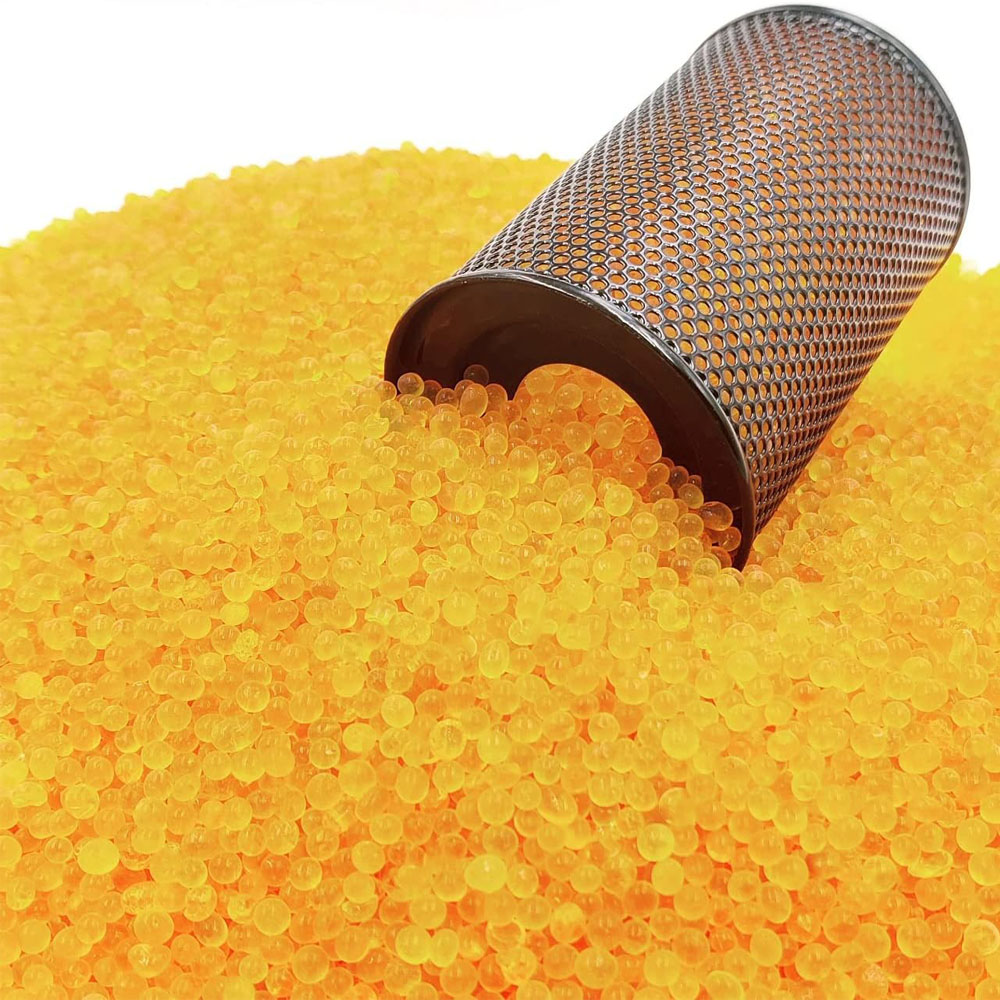
A compliant Type II envelope typically utilizes premium synthetic membranes (such as Tyvek® or specialized non-woven materials) that allow maximum vapor transmission while ensuring zero particle migration. The active ingredient inside is typically premium activated clay (bentonite) or silica gel, processed to meet exact absorption kinetics.
When evaluating suppliers on global B2B platforms, procurement teams must request verified testing certificates. Ensure your manufacturing partner can provide independent lab validation proving compliance with the non-dusting parameters of Type II.
## Conclusion
Sourcing the correct moisture absorbing pouches is an investment in risk mitigation. Implementing mil d 3464 type ii compliant packaging guarantees that your goods survive prolonged sea freight transits, tactical long-term storage, and extreme environmental fluctuations without degrading.
Industrial-Grade Supply Notice: As an established manufacturer specializing in military and industrial moisture control solutions, Dongguan Yucheng Household Products Co., Ltd. delivers fully certified, batch-tested MIL-D-3464 Type II desiccant solutions tailored for international defense, aerospace, and high-tech manufacturing sectors. Contact our engineering team today for custom unit calculations, technical data sheets, and competitive wholesale contracts.