
How to stop moisture damage in ocean containers?
Shipping goods across the ocean exposes your cargo to severe environmental challenges. Among them, moisture damage caused by "container rain" is one of the most expensive threats to global supply chains. When container temperatures fluctuate dramatically between day and night during transit, moisture inside evaporation turns into condensation on the ceiling, raining down on your cargo.
Left unprotected, this leads to moldy packaging, warped cartons, rusted steel components, and ruined product quality. Fortunately, you can fully eliminate this risk. Here is a professional checklist on how to stop moisture damage in ocean containers effectively.
1. Inspect the Container Quality Before Loading
Prevention starts with the container itself. Never accept a damaged container for stuffing:
-
Check for Holes: Step inside the container, close the doors completely, and look for any light leaks. Light holes mean water can leak inside during heavy ocean storms.
-
Inspect Door Seals: Ensure the rubber gaskets around the doors are intact and flexible. Damaged seals will continuously suck in humid ocean air during the voyage.
-
Check Floor Moisture: Standard container floors are made of wood, which can hold up to 100 liters of hidden water. Ensure the floorboards are completely dry and haven't been recently washed with water.
2. Use High-Absorption Calcium Chloride Desiccants
Traditional clay or silica gel packets simply don't have the absorption capacity required for brutal maritime shipping.
-
Upgrade to Industrial Calcium Chloride Container Desiccant Strips. Top-tier desiccants (like our premium formulas) can absorb up to 300% of their own weight in moisture.
-
These strips actively turn the absorbed water vapor into a leak-proof starch gel, preventing any liquid from re-evaporating back into the container. Hang them evenly from the container’s interior ceiling lashing rings.
3. Seal Container Passive Vents
Most shipping containers come equipped with small passive ventilation holes on the sides. While designed to allow air circulation, on long tropical sea routes, they often allow massive amounts of high-humidity marine air to enter. Before hanging your desiccant strips, tape over the ventilation holes from the inside to create a sealed environment.
4. Optimize Packaging and Pallet Material
Corrugated cardboard boxes, wooden crates, and standard wooden pallets are highly hygroscopic—meaning they naturally absorb and hold onto ambient moisture before being loaded.
-
If possible, store your pallets and packaging cartons in a temperature-controlled, dry warehouse prior to stuffing.
-
Switch to plastic pallets or wrap your cargo wooden pallets tightly with stretch film to block moisture transfer.
Secure Your Next Shipment with [Your Brand Name]
Protecting your cargo bottom line requires scientific moisture prevention. At [Your Brand Name], we specialize in manufacturing heavy-duty, eco-friendly container desiccant strips engineered to survive the toughest ocean routes.
👉 Want to test our absorption strength? [Click here to contact our supply chain team and request a FREE Container Trial Sample Kit today!]
 Dri Clay Kraft 101: How to Use It for Maximum Moisture ProtectionWant to protect your goods from moisture safely and sustainably? Discover the step-by-step guide on how to use Dri Clay Kraft desiccant packets effectively to prevent mold, rust, and odor during shipping.
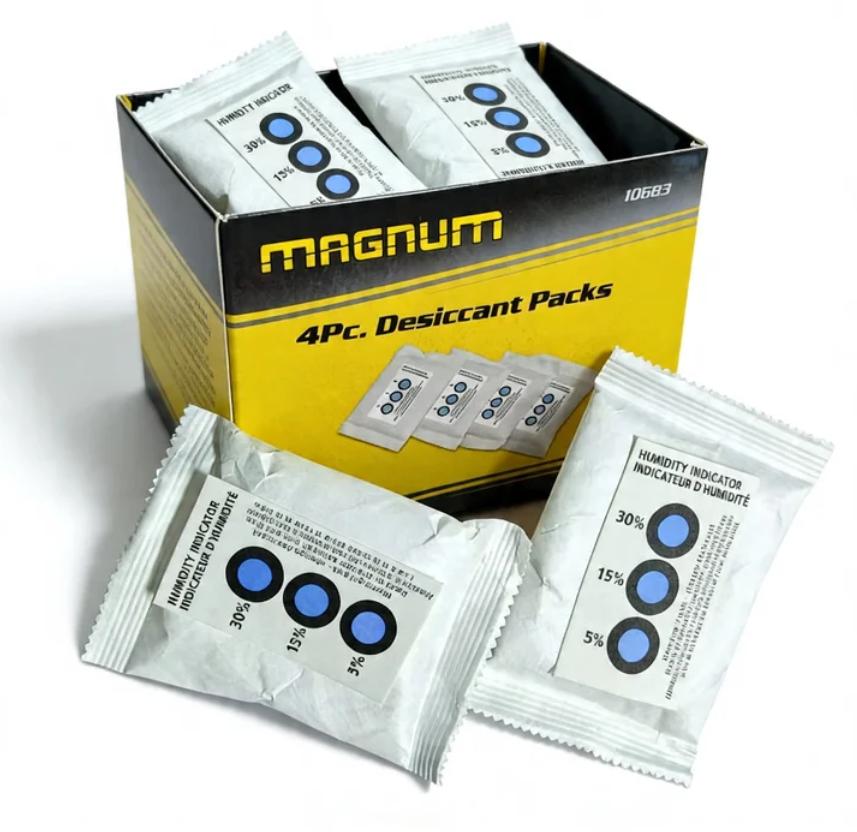
Frequently Asked Questions About Cargo Desiccants
Q1: How many desiccant strips do I need for a 40HQ container?
A: For standard shipping under normal weather conditions, we recommend 8 to 12 strips of 1.0kg calcium chloride desiccants. For high-moisture risk cargo like agricultural products, textiles, or wooden pallets, you may need up to 14-16 strips.
Q2: What makes calcium chloride better than traditional silica gel?
A: Calcium chloride can absorb up to 300% of its own dry weight in moisture, which is roughly 10 times higher than regular silica gel packets. Furthermore, our advanced inner packaging turns moisture into a leak-proof starch gel, ensuring it won't re-evaporate back into your cargo space.
Any other questions please feel free to contact
Emily Xu
Tel&whatsapp:+86 136 8661 7275
Email: emilyxu@chenridry.com